Responsible Pet Ownership UK | Expert Pet Care Guide | PetLife UK
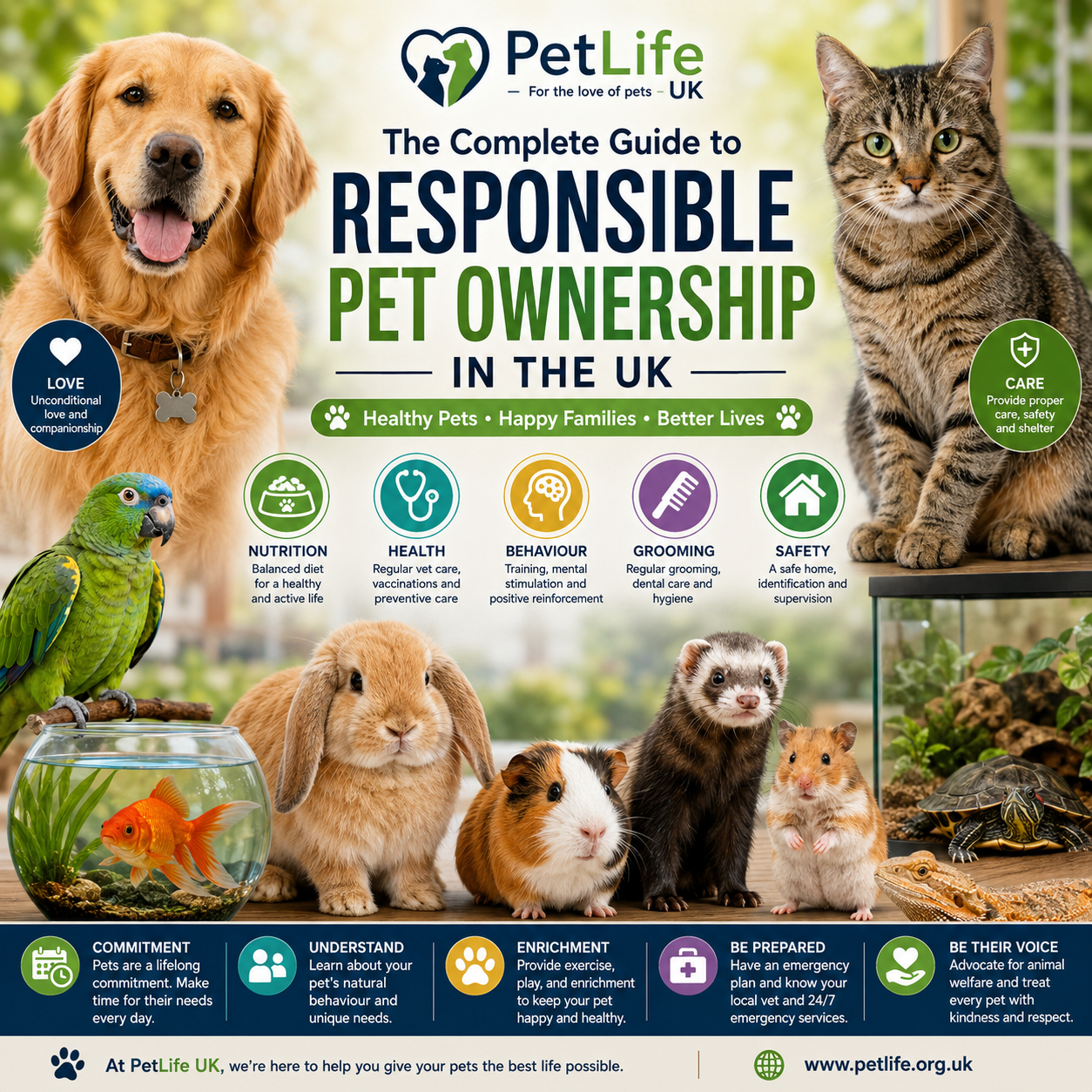
It is one of the best experiences in life to have a pet. Big and small, furry and feathered, and fish and feathered, all animals need you for a safe and healthy life.
Taking care of a pet is more than just offering food and water. It’s knowing your pet’s physical, emotional and behavioural requirements at all ages. By providing good care, you can help prevent illness and lower the stress level and improve the relationship with your companion.
Pets are a part of millions of households in the UK, and each species has specific care requirements. Dogs require plenty of exercise and training. Routine and enrichment are key to a cat’s well-being. Birds need enrichment and reptiles need a specific habitat. Small mammals, fish and exotic pets should also receive species-specific care which promotes their health and welfare.
Our aim at PetLife UK is to enable pet owners to make informed decisions based on evidence-based, clear information. We feel that accurate information leads to responsible pet ownership, a better life for animals, and a lifelong family bond with its pet.
This guide covers the basic information on how to care for companion animals. If you are bringing home your first pet or you have years of experience, these tips will help you care for your pet.
Why Responsible Pet Ownership Matters
Responsible pet ownership begins long before bringing an animal home. Every pet needs time, commitment, financial planning, and daily care. Understanding these responsibilities helps prevent neglect, abandonment, and avoidable health problems.
Providing proper care also improves your pet’s quality of life. Healthy pets are often happier, more active, and better able to enjoy family life.
Every Pet Has Different Needs
No two species have exactly the same requirements. A dog’s daily routine differs greatly from that of a cat, rabbit, snake, or tropical fish.
Dogs
Dogs need:
- Daily exercise
- Positive reinforcement training
- Mental stimulation
- Social interaction
- Routine veterinary care
- Balanced nutrition
Working breeds often require more physical and mental activity than smaller companion breeds.
Cats
Cats enjoy:
- Quiet resting places
- Climbing opportunities
- Scratching posts
- Interactive toys
- Regular grooming
- High-quality animal-based nutrition
Indoor cats benefit from additional enrichment that encourages natural hunting behaviours.
Birds
Pet birds require more than a cage. They need daily interaction, enrichment, suitable perches, fresh food, and opportunities to exercise their wings where appropriate.
Fish
Healthy aquariums depend on proper water quality, suitable filtration, regular maintenance, and compatible species. Stable water conditions are often more important than feeding.
Small Mammals
- Rabbits, guinea pigs, hamsters, and ferrets each have different housing, dietary, and enrichment needs.
- Rabbits require unlimited hay and room to hop.
- Guinea pigs need vitamin C every day.
- Hamsters prefer secure burrows and exercise wheels.
- Ferrets enjoy supervised exploration and interactive play.
Reptiles and Exotic Pets
- Reptiles such as snakes, lizards, and turtles require carefully controlled environments.
- Temperature, humidity, lighting, and nutrition must match each species’ natural habitat.
- Owning an exotic pet also means researching legal responsibilities and long-term care before making a commitment.
Building a Strong Bond With Your Pet
Trust develops through consistent care.
Pets feel more secure when they have predictable routines, positive experiences, and gentle handling.
Simple daily activities such as feeding, grooming, training, and playtime strengthen the relationship between owners and their animals.
At PetLife UK, we encourage owners to understand their pet’s natural behaviours rather than expecting every animal to behave in the same way.
Learning how your pet communicates helps prevent misunderstandings and supports lifelong wellbeing.
Choosing the Right Pet for Your Lifestyle
Selecting the right pet is one of the most important decisions a family can make.
Many people choose a pet because it looks cute or because a particular breed is popular. However, every animal has different care requirements, energy levels, and life expectancy.
Taking time to choose wisely benefits both the owner and the pet.
Consider Your Daily Routine
Before bringing a pet home, ask yourself:
- How much time can I spend with my pet each day?
- Do I have enough space?
- Can I afford ongoing veterinary care?
- Who will care for my pet during holidays?
- Does my home suit this species?
These questions help prevent future problems and support responsible ownership.
Matching Pets to Different Households
Families With Children
Dogs, cats, rabbits, and guinea pigs can become wonderful family companions when children learn how to interact gently and respectfully.
Adult supervision remains essential, especially with younger children.
Busy Professionals
Cats, some fish species, or carefully selected small pets may better suit households where owners spend long hours away from home.
Experienced Keepers
Some reptiles, parrots, and exotic pets require specialist knowledge, advanced housing, and long-term commitment.
These animals are often best suited to experienced owners who understand their complex needs.
Essential Pet Care for Every Companion Animal
Every pet deserves the same level of care, no matter its size or species. A healthy routine helps prevent illness, supports natural behaviour, and improves quality of life.
Responsible pet ownership includes regular veterinary care, proper nutrition, exercise, grooming, and a safe living environment. Small daily habits often have the biggest impact on your pet’s long-term health.
Pet Health Starts with Preventive Care
Preventive care is one of the best ways to keep pets healthy. It focuses on stopping health problems before they become serious.
Routine health checks help detect illness early, making treatment easier and more effective.
Schedule Regular Veterinary Check-Ups
A veterinary examination is important for every companion animal, including:
- Dogs
- Cats
- Rabbits
- Guinea pigs
- Hamsters
- Ferrets
- Birds
- Reptiles
- Fish (through aquarium health assessments)
Young pets usually need more frequent visits, while healthy adults should still receive routine health checks. Senior pets often benefit from additional monitoring because age-related conditions can develop gradually.
PetLife UK encourages owners to build a long-term relationship with a trusted veterinary practice and seek professional advice whenever unusual symptoms appear.
Keep Vaccinations Up to Date
Vaccinations protect pets against serious infectious diseases.
Dogs, cats, and rabbits commonly require routine vaccinations based on their age, lifestyle, and health status.
Following the recommended vaccination schedule helps protect both individual pets and the wider pet community.
Prevent Fleas, Ticks, Worms, and Other Parasites
Parasites can affect almost every type of companion animal.
Common problems include:
- Fleas
- Ticks
- Roundworms
- Tapeworms
- Ear mites
- Lungworm (in some pets)
Year-round parasite prevention reduces health risks and helps keep your home cleaner and safer.
Feeding a Balanced Diet
Good nutrition supports healthy growth, strong immunity, and a longer life.
Every species has unique dietary needs, so choosing the right food is essential.
Dogs Need Complete and Balanced Nutrition
Dogs require food that matches their:
- Breed
- Size
- Age
- Activity level
- Health condition
Growing puppies need extra nutrients to support healthy development, while senior dogs often benefit from diets that support joint health and weight management.
Fresh drinking water should always be available.
Cats Are Obligate Carnivores
Cats rely on nutrients found naturally in animal protein.
A complete and balanced diet helps maintain:
- Healthy muscles
- Strong bones
- Good vision
- Healthy skin
- A shiny coat
Sudden changes in appetite may indicate illness and should never be ignored.
Small Mammals Have Special Dietary Needs
Different small pets require different diets.
Rabbits
Rabbits should eat unlimited hay every day. Hay supports healthy digestion and naturally wears down continuously growing teeth.
Fresh leafy vegetables and measured pellets can also form part of a balanced diet.
Guinea Pigs
Unlike many animals, guinea pigs cannot produce vitamin C.
They need daily vitamin C from suitable foods or supplements recommended by a veterinary professional.
Hamsters
Hamsters thrive on high-quality hamster food combined with small portions of fresh vegetables and occasional treats.
Avoid sugary snacks and sticky foods.
Birds, Fish, and Reptiles
Birds enjoy varied diets that may include formulated pellets, vegetables, fruits, and species-appropriate seeds.
Fish require food designed for their specific species. Overfeeding should be avoided because it affects both fish health and water quality.
Reptiles have highly specialised nutritional requirements. Some species eat insects, others require leafy greens, while snakes feed on appropriately sized prey.
Understanding species-specific nutrition is one of the most important parts of responsible pet care.
Grooming Supports Overall Health
Grooming is more than keeping pets clean.
It also allows owners to spot early signs of illness such as skin problems, lumps, parasites, or injuries.
Dog Grooming
Regular grooming includes:
- Brushing the coat
- Checking ears
- Trimming nails
- Bathing when necessary
- Inspecting paws after walks
Long-haired breeds often require more frequent brushing to prevent matting.
Cat Grooming
Many cats groom themselves, but regular brushing helps reduce loose hair and hairballs.
Older cats may need additional grooming because they become less flexible with age.
Grooming Small Pets
Long-haired rabbits and guinea pigs also require routine brushing.
Birds benefit from opportunities to bathe naturally, while reptiles should only be handled and cleaned according to their species-specific care needs.
Dental Care Is Often Overlooked
Healthy teeth are essential for eating, grooming, and overall wellbeing.
Dental disease is common in many companion animals, especially as they age.
Signs of dental problems include:
- Bad breath
- Difficulty eating
- Drooling
- Weight loss
- Swollen gums
Regular dental checks, appropriate diets, safe chew toys, and veterinary care help maintain good oral health.
For rabbits and guinea pigs, correct nutrition plays a vital role because their teeth grow continuously throughout life.
Understanding Pet Behaviour
Every pet communicates through behaviour.
Learning these signals helps owners understand their animals and respond appropriately.
Behaviour also provides valuable clues about physical and emotional health.
Why Pets Behave the Way They Do
Animals behave according to their natural instincts.
Dogs may bark to communicate.
Cats often scratch to mark territory.
Birds vocalise to interact with their surroundings.
Rabbits dig because it is a natural behaviour.
Reptiles may hide when they feel stressed or unsafe.
Recognising these normal behaviours prevents unrealistic expectations.
Positive Reinforcement Builds Trust
Training should always focus on rewarding good behaviour.
Positive reinforcement encourages pets to repeat desired actions using:
- Praise
- Healthy treats
- Toys
- Play
- Affection
This method reduces stress and strengthens the relationship between pets and owners.
Punishment often creates fear and confusion without teaching the correct behaviour.
Socialisation Helps Build Confidence
Early socialisation is especially important for puppies and kittens.
Safe exposure to people, sounds, environments, and everyday experiences helps young animals grow into confident adults.
Socialisation should always happen gradually and at the pet’s own pace.
Mental Stimulation Prevents Boredom
Pets need more than physical exercise.
Mental enrichment keeps the brain active and helps reduce unwanted behaviours.
Simple enrichment ideas include:
- Puzzle feeders
- Snuffle mats
- Food-dispensing toys
- Climbing shelves for cats
- Digging boxes for rabbits
- Foraging toys for birds
- Safe tunnels for ferrets
- Species-appropriate habitat enrichment for reptiles
At PetLife UK, we encourage owners to include enrichment as part of every pet’s daily routine because mental wellbeing is just as important as physical health.
Exercise and Mental Enrichment
Exercise is essential for almost every companion animal. It helps maintain a healthy weight, supports heart health, improves behaviour, and reduces stress.
The amount of exercise each pet needs depends on its species, breed, age, and overall health.
Dogs Need Daily Physical Activity
Dogs thrive on regular exercise and mental challenges.
Activities may include:
- Daily walks
- Fetch games
- Agility training
- Swimming
- Puzzle toys
- Scent games
Working and sporting breeds often require more activity than smaller companion breeds.
Always adjust exercise to your dog’s age and fitness level.
Avoid Overexercising Puppies
Growing puppies have developing bones and joints.
Short play sessions and gentle walks are usually safer than long-distance exercise.
Your veterinary professional can advise what is appropriate for your puppy’s breed and age.
Cats Benefit from Interactive Play
Indoor cats rely on owners to provide daily enrichment.
Simple activities include:
- Feather toys
- Laser toys
- Puzzle feeders
- Climbing trees
- Window perches
- Scratching posts
Short play sessions throughout the day encourage natural hunting behaviours and reduce boredom.
Enrichment for Small Pets
Rabbits, guinea pigs, hamsters, and ferrets enjoy exploring their surroundings.
Provide:
- Tunnels
- Hideouts
- Safe chew toys
- Digging areas
- Cardboard boxes
- Rotating enrichment items
Changing toys regularly keeps their environment interesting.
Birds, Fish, and Reptiles Also Need Enrichment
Birds enjoy climbing, shredding toys, foraging activities, and safe interaction.
Fish benefit from well-designed aquariums with plants, hiding spaces, and compatible tank mates.
Reptiles need habitats that encourage climbing, basking, burrowing, or hiding depending on the species.
Mental stimulation improves welfare for every companion animal.
Grooming and Hygiene
Good grooming keeps pets comfortable and allows owners to spot health problems early.
Coat Care
Regular brushing removes loose hair, reduces matting, and supports healthy skin.
Long-haired breeds usually require more grooming than short-haired pets.
Seasonal shedding may increase brushing needs.
Nail Care
Overgrown nails can cause pain and affect movement.
Dogs, cats, rabbits, birds, and some reptiles all require regular nail checks.
If you are unsure how to trim nails safely, ask a veterinary professional or qualified groomer.
Ear and Eye Care
Healthy ears should be clean and free from unpleasant odours.
Eyes should appear bright and clear.
Any discharge, redness, swelling, or irritation should be checked promptly.
Clean Living Environments
Clean habitats reduce the risk of disease.
Remember to clean:
- Dog bedding
- Cat litter trays
- Rabbit hutches
- Guinea pig enclosures
- Bird cages
- Reptile vivariums
- Fish aquariums
Regular cleaning supports both pet health and hygiene within the home.
Caring for Pets at Every Life Stage
Pets have changing needs throughout their lives.
Understanding these changes helps owners provide the right care at the right time.
Puppy Care
Puppies learn quickly during their first year.
Focus on:
- Positive socialisation
- Basic training
- Veterinary care
- Balanced nutrition
- Safe exercise
- Routine
Early experiences influence lifelong behaviour.
Kitten Care
Kittens benefit from:
- Gentle handling
- Play
- Scratching posts
- Litter training
- Proper nutrition
- Regular veterinary visits
Creating positive experiences builds confidence.
Adult Pets
Healthy adults require ongoing preventive care.
Continue to provide:
- Regular exercise
- Balanced diets
- Mental stimulation
- Grooming
- Dental care
- Routine health checks
Consistency supports long-term wellbeing.
Senior Pet Care
Older pets deserve additional attention.
Common age-related changes include:
- Reduced mobility
- Arthritis
- Dental disease
- Vision changes
- Hearing loss
- Weight changes
Senior pets often benefit from:
- Softer bedding
- Shorter exercise sessions
- More frequent veterinary examinations
- Easily accessible food and water
- Joint-support diets where appropriate
At PetLife UK, we encourage owners to recognise age-related changes early so pets remain comfortable during their later years.
Living in a Multi-Pet Household
Many UK homes include more than one pet.
Dogs, cats, rabbits, birds, and other companion animals can often live successfully together when introductions are managed carefully.
Introduce Pets Slowly
Avoid rushing introductions.
Allow animals to become familiar with each other’s scent before direct contact.
Provide safe spaces where each pet can retreat if needed.
Prevent Resource Guarding
Every pet should have access to its own:
- Food bowls
- Water
- Sleeping areas
- Toys
- Resting spaces
Reducing competition helps minimise stress.
Monitor Behaviour
Watch for signs of conflict such as:
- Growling
- Chasing
- Hiding
- Changes in appetite
- Excessive vocalisation
Early intervention helps maintain harmony.
Seasonal Pet Care
Changing seasons bring different challenges.
Summer Pet Care
Warm weather increases the risk of heat-related illness.
Protect pets by:
- Providing fresh water
- Offering shade
- Walking dogs during cooler hours
- Never leaving pets inside parked vehicles
Aquariums and reptile enclosures should also be monitored carefully to prevent overheating.
Winter Pet Care
Cold weather requires additional precautions.
Consider:
- Warm bedding
- Shorter walks during icy conditions
- Drying paws after outdoor walks
- Checking outdoor rabbit and bird housing for adequate shelter
Older pets may need additional warmth during colder months.
Pet Safety and Emergency Preparedness
Accidents can happen at any time.
Preparing in advance allows owners to respond more effectively.
Create a Pet First Aid Kit
Include items such as:
- Sterile dressings
- Bandages
- Saline solution
- Tick remover
- Disposable gloves
- Emergency contact numbers
Never administer medication without professional advice.
Microchipping and Identification
Permanent identification greatly improves the chance of a lost pet being reunited with its family.
Dogs should always wear identification where required, and owners should keep microchip details up to date.
Prepare for Emergencies
Have a plan for:
- Power failures
- Flooding
- Storms
- House fires
- Temporary evacuation
Prepare an emergency bag containing food, medication, veterinary records, and any species-specific supplies.
Planning ahead protects both pets and owners during unexpected situations.
Why PetLife UK Is a Trusted Resource for Pet Owners
Finding reliable pet care advice online can be difficult. Many websites share opinions instead of facts, making it hard for owners to know which information to trust.
PetLife UK was created to make pet care simple, accurate, and practical. Our goal is to help owners make informed decisions that improve the lives of companion animals across the United Kingdom.
Evidence-Based Pet Care Information
Every pet deserves advice that is based on reliable knowledge.
PetLife UK publishes educational content that explains pet health, nutrition, behaviour, grooming, training, and preventive care in clear, easy-to-understand language.
Our articles are written to help both new and experienced pet owners understand the needs of different companion animals.
Supporting Responsible Pet Ownership
Responsible ownership is about making informed choices every day.
PetLife UK encourages owners to:
- Learn about species-specific care.
- Choose pets that suit their lifestyle.
- Provide regular veterinary care.
- Feed a balanced diet.
- Use positive reinforcement training.
- Promote animal welfare.
- Keep pets safe throughout every stage of life.
Small actions today can improve your pet’s health for years to come.
Building a Strong UK Pet Community
Pets bring people together.
PetLife UK supports a community where owners can learn, share experiences, and discover trusted pet care advice.
Whether you own a playful puppy, an indoor cat, a rabbit, a tropical aquarium, a reptile, or an exotic pet, our educational resources are designed to help you become a more confident and responsible owner.
As pet care continues to evolve, our mission remains the same—to provide trustworthy information that puts animal welfare first.
Frequently Asked Questions
Q1. What does responsible pet ownership mean?
Responsible pet ownership means providing your pet with proper food, fresh water, safe housing, regular veterinary care, exercise, mental stimulation, and plenty of love. It also includes understanding your pet’s behaviour, preventing illness, and meeting its needs throughout every stage of life.
Q2. How often should pets visit a veterinarian?
Most healthy adult pets should receive a veterinary health check at least once a year. Puppies, kittens, senior pets, and animals with ongoing health conditions may need more frequent visits. Your veterinary professional can recommend the best schedule for your pet.
Q3. Why is preventive healthcare important for pets?
Preventive healthcare helps detect problems before they become serious. Vaccinations, parasite prevention, dental care, routine examinations, and balanced nutrition all reduce the risk of disease and improve long-term wellbeing.
Q4. What is the best diet for companion animals?
Every species has different nutritional needs. Dogs, cats, rabbits, birds, reptiles, fish, and small mammals all require diets designed specifically for their health and development. Feeding a balanced diet supports healthy growth, strong immunity, and better quality of life.
Q5. How can I keep my pet mentally stimulated?
Mental enrichment can include puzzle feeders, interactive toys, scent games, climbing structures, foraging activities, tunnels, and regular play sessions. Enrichment encourages natural behaviours and helps reduce boredom and stress.
Q6. Why is positive reinforcement better than punishment?
Positive reinforcement rewards good behaviour using praise, treats, toys, or affection. This approach builds trust, improves learning, and strengthens the relationship between pets and owners. Punishment often creates fear without teaching the desired behaviour.
Q7. What should I include in a pet emergency plan?
Prepare an emergency kit containing food, medication, veterinary records, first aid supplies, identification details, and emergency contact numbers. Planning ahead allows you to protect your pet during unexpected situations such as storms, floods, or power outages.
Q8. How do I care for senior pets?
Senior pets often need more frequent veterinary examinations, balanced nutrition, comfortable bedding, gentle exercise, and regular monitoring for age-related conditions. Early support helps maintain comfort and quality of life.
Conclusion
Every pet deserves a safe, healthy, and enriching life. Responsible pet ownership begins with understanding the unique needs of each species and providing consistent care every day.
Whether you care for a dog, cat, rabbit, bird, fish, reptile, ferret, guinea pig, hamster, or another companion animal, small daily decisions make a lasting difference. Good nutrition, preventive healthcare, positive training, mental stimulation, regular exercise, and routine veterinary care all contribute to better health and stronger relationships.
At PetLife UK, we are committed to helping pet owners make informed decisions through trustworthy, evidence-based educational content. Our goal is to support responsible pet ownership, improve animal welfare, and build a knowledgeable UK pet community where every companion animal has the opportunity to thrive.




Post Comment