Hair Texture Guide for Every Hair Type

Choosing the right hair care routine can feel confusing when your hair reacts differently to products, weather, and styling methods. Some people struggle with frizz, while others deal with dryness, breakage, or flat roots. In many cases, the real issue is not the products themselves but a lack of understanding about hair texture.
Knowing whether your strands are fine, medium, or coarse helps you choose better shampoos, conditioners, styling products, and protective routines. It also helps you understand your curl pattern, moisture needs, and how your hair responds to humidity or heat styling.
Many people also confuse texture with density or curl type. While these factors are connected, they affect hair in different ways. Once you understand how they work together, creating a healthy routine becomes much easier. This guide explains everything you need to know about hair texture, including how to identify it, what affects it, and the best ways to care for every type naturally.
What Is Hair Texture?
Hair texture refers to the thickness or diameter of individual hair strands. It describes whether your strands are fine, medium, or coarse. Texture also influences how your hair behaves during washing, styling, and exposure to humidity.
People with fine hair often notice a lack of volume and faster oil buildup. Coarse hair usually feels thicker and stronger, but may struggle with dryness or roughness. Medium texture falls somewhere in between and is generally easier to manage.
Understanding your texture helps you choose products that support healthy hair growth and reduce common concerns like frizz, dullness, and breakage.
Why Hair Texture Is Important
Your texture affects nearly every part of your routine. It determines how well your hair absorbs moisture, how easily it holds styles, and how it responds to heat tools.
For example:
- Fine strands need lightweight hydration
- Coarse strands require deeper nourishment
- Curly hair benefits from moisture-rich products
- Straight hair may need volumizing formulas
Using the wrong products can weigh hair down or strip away natural oils. This is why personalized hair care matters.
Hair Texture vs Hair Type
Many people use these terms interchangeably, but they are different.
Hair texture refers to strand thickness, while hair type describes curl pattern. Hair type usually falls into four categories:
- Type 1 straight hair
- Type 2 wavy hair
- Type 3 curly hair
- Type 4 coily hair
Someone can have fine curly hair or coarse straight hair. Understanding both categories creates a more effective hair routine.
Hair Texture vs Hair Density
Density refers to how many strands grow on your scalp. A person may have fine hair but high density, meaning there are many thin strands.
Low-density hair often shows more scalp visibility, while high-density hair appears fuller and thicker.
Hair Texture vs Hair Porosity
Porosity measures how well hair absorbs and retains moisture. Low porosity hair resists moisture, while high porosity hair absorbs moisture quickly but loses it just as fast.
Texture and porosity work together to influence hydration levels and product performance.
The 3 Main Hair Texture Categories
Fine Hair Texture
Fine hair has the smallest strand diameter. It usually feels soft and silky but can become oily quickly.

Characteristics of fine hair include:
- Faster oil buildup
- Less volume
- Easier tangling
- Difficulty holding curls
Lightweight shampoos, volumizing sprays, and sulfate-free formulas often work best for this texture.
Medium Hair Texture
Medium hair is balanced between fine and coarse. It typically holds styles well and tolerates heat styling better.
This texture is considered the easiest to manage because it responds well to most products and routines.
Coarse Hair Texture
Coarse hair contains thicker strands and often feels fuller. It is naturally strong but may struggle with dryness and frizz.
People with coarse hair usually benefit from:
- Deep conditioning
- Leave-in conditioner
- Natural oils
- Moisture-rich masks
Hydration is essential for maintaining softness and reducing rough texture.
Understanding Curl Pattern Types
Curl pattern also influences how your hair behaves and which products support healthy styling.
Type 1 Straight Hair
Straight hair reflects more natural shine because oils travel easily from root to tip. However, it may lose volume quickly.
Type 2 Wavy Hair
Wavy hair forms loose bends and a soft texture. It often experiences frizz in humid weather.
Lightweight curl creams and anti-frizz products work well for this type.
Type 3 Curly Hair
Curly hair forms defined spirals and requires consistent moisture. Dryness and shrinkage are common concerns.
Curly hair texture benefits from hydrating creams, protective styling, and gentle cleansing routines.
Type 4 Coily Hair
Coily hair has tight curls or zigzag patterns. It is delicate despite appearing thick.
This texture needs deep hydration, protective hairstyles, and low manipulation routines to reduce breakage.
Can You Have Multiple Curl Patterns?
Yes. Many people naturally have mixed textures across different parts of the scalp. For example, the crown may appear curlier while the back remains wavy.
Hormones, heat damage, and genetics can all contribute to uneven patterns.
How to Identify Your Hair Texture
Identifying your texture is easier than many people think.
The Strand Test
Take a single strand between your fingers.
- If it feels barely noticeable, it is likely fine
- If it feels slightly thick, it is medium
- If it feels strong and rough, it is coarse
The Wash and Air Dry Method
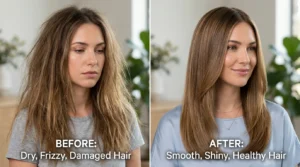
Wash your hair without heavy styling products and let it air dry naturally. Observe how it behaves without manipulation. This method reveals natural curl pattern, volume, and frizz tendencies.
How Your Hair Behaves in Humidity
Humidity often exposes your texture quickly.
- Fine hair may flatten
- Wavy hair may frizz
- Curly and coily hair may expand
Signs of Fine vs Coarse Hair
Fine hair often struggles with volume, while coarse hair may feel rough or resistant to styling.
Understanding these differences helps you choose the right hair products.
Quick Hair Texture Self Assessment Quiz
Ask yourself:
- Does your hair dry quickly?
- Does it absorb products easily?
- Does it hold curls well?
- Does it become frizzy in humid weather?
Your answers can help identify your texture and porosity levels.
What Determines Hair Texture?
Several factors influence how your hair looks and behaves.
Genetics
Genetics plays the biggest role in determining strand thickness and curl pattern.
Hormones
Hormonal changes during puberty, pregnancy, or menopause may alter texture over time.
Age and Hair Texture Changes
As people age, hair may become thinner, drier, or more fragile.
Pregnancy and Postpartum Hair Changes
Many women notice temporary texture changes after pregnancy because of shifting hormone levels.
Heat Damage and Chemical Treatments
Bleaching, straightening, and excessive heat styling weaken the hair cuticle and change natural patterns.
Environmental Factors
Sun exposure, humidity, pollution, and hard water can affect softness, shine, and hydration.
Hair Porosity and Why It Matters
Porosity determines how effectively hair absorbs moisture.
Low Porosity Hair
Low porosity strands resist water and product absorption. Lightweight formulas usually work best.
Medium Porosity Hair
This type maintains a healthy moisture balance and responds well to most routines.
High Porosity Hair
High porosity hair absorbs moisture quickly but loses it easily. Deep conditioning and sealing oils are important.
How Porosity Affects Product Absorption
Choosing products without understanding porosity often leads to buildup or dryness.
Balancing hydration and protein helps maintain healthy strands.
Hair Density Explained
Density refers to the number of hair strands on your scalp.
Low-Density Hair
Low-density hair appears thinner and may need volumizing products.
Medium-Density Hair
Medium-density hair offers natural fullness and styling flexibility.
High-Density Hair
High-density hair feels fuller and may require more moisture and detangling care.
Density vs Thickness
Density measures strand quantity, while thickness measures strand diameter.
Best Hair Care Routine for Every Hair Texture
Creating the right routine depends on understanding your hair’s needs.
Routine for Fine Hair
Use lightweight shampoos and avoid heavy oils that reduce volume.
Routine for Medium Hair
Maintain balanced hydration and use heat protection during styling.
Routine for Coarse Hair
Focus on deep moisture, nourishing masks, and leave-in conditioners.
Routine for Curly and Coily Hair
Protective hairstyles, satin pillowcases, and moisturizing creams support healthy curls.
How Often Should You Wash Each Texture?
- Fine hair may need more frequent cleansing
- Coarse and curly hair often benefits from less washing
- Coily hair usually requires gentle cleansing routines
Best Ingredients for Different Hair Textures
Ingredients matter just as much as routines.
Ingredients Fine Hair Should Avoid
Heavy silicones and thick butters may flatten fine hair.
Best Oils for Coarse Hair
Argan oil, coconut oil, and shea butter support hydration and softness.
Protein vs Moisture Balance
Too much protein may cause stiffness, while excessive moisture can weaken strands.
Balancing both is important for healthy elasticity.
Sulfate Free Products for Textured Hair
Sulfate-free shampoos help maintain moisture and reduce dryness.
Common Hair Texture Problems and Solutions
Frizz
Use anti-frizz serums and avoid overwashing.
Dryness
Deep conditioning and hydration masks improve softness.
Lack of Volume
Volumizing sprays and layered cuts can boost fullness.
Rough Texture
Protein treatments and nourishing oils help smooth rough strands.
Uneven Texture
Limit heat styling and focus on balanced hydration.
Breakage
Protective hairstyles and regular trims reduce damage.
Can Hair Texture Change Over Time?
Yes, texture changes are common.
Hormonal Changes
Hormones can affect oil production, curl pattern, and strand thickness.
Aging
Hair may become thinner or drier with age.
Stress and Lifestyle
Stress, poor diet, and lack of sleep can weaken hair health.
Hair Damage
Frequent coloring and excessive heat may permanently alter natural patterns.
Styling Tips for Every Hair Texture
Heat Styling Tips
Always apply heat protection before using styling tools.
Protective Hairstyles
Braids, buns, and twists help reduce breakage and moisture loss.
Nighttime Hair Protection
Silk pillowcases and satin bonnets minimize friction while sleeping.
Best Haircuts for Different Textures
Layered cuts can improve volume and shape for many textures.
Mistakes People Make With Their Hair Texture
Using Heavy Products on Fine Hair
This often causes buildup and flat roots.
Overwashing Curly Hair
Too much cleansing strips natural moisture.
Ignoring Porosity
Porosity affects how products absorb and perform.
Using Excessive Heat
Heat damage weakens the hair cuticle and changes texture.
Professional Tips From Hair Experts
Hair professionals recommend focusing on consistency instead of constantly changing products. Building a simple routine based on texture, porosity, and density often produces better long term results than following social media trends.
Healthy habits like regular trims, scalp care, hydration, and gentle styling can significantly improve overall appearance and manageability.
FAQs
What is hair texture?
It refers to the thickness of individual hair strands, including fine, medium, and coarse categories.
Can hair texture change?
Yes. Hormones, age, stress, and chemical treatments may affect natural texture over time.
How do I identify my hair texture?
You can use the strand test, observe your hair after air drying, and evaluate how it responds to moisture and humidity.
What causes rough hair texture?
Dryness, damage, heat styling, and lack of moisture often contribute to roughness.
Is hair texture genetic?
Genetics strongly influence strand thickness and curl pattern.
How can I improve my hair texture naturally?
Consistent hydration, gentle products, balanced nutrition, and protective styling support healthier hair.
Conclusion
Understanding your natural hair characteristics makes it easier to choose products, create routines, and maintain healthier strands long term. Once you learn how your hair responds to moisture, styling, and environmental factors, you can build a routine that supports softness, shine, and manageability.
Instead of copying trends, focus on what works for your unique strands. Whether your hair is fine, coarse, curly, straight, or coily, proper care and consistency can help you achieve healthier and more manageable results naturally.







Post Comment