Carer Jobs Near Me: How to Find Local Care Roles and Get Hired in the UK

What Does a Carer Job Actually Involve?
Searching for carer jobs near me usually starts with a simple wish: to find rewarding work close to home, helping people who need support in their daily lives. Care work is one of the most people-centred jobs available. Carers support older people, people living with disabilities, people recovering from illness, and people who need help to live as independently as possible. The work is practical, personal, and often deeply rewarding, but it is also demanding, and it helps to understand exactly what it involves before you apply.
A carer’s day varies with the setting and the needs of the people they support. In home care, sometimes called domiciliary care, carers visit people in their own homes to help with washing, dressing, preparing meals, taking medication prompts, light housework, shopping, and getting out and about. In a residential care home, carers support residents with personal care, meals, activities, and companionship throughout the day and night. Some roles involve live-in care, where the carer stays in the person’s home for a period, while others focus on supported living, helping people with learning disabilities or mental health needs to manage daily life and build independence.
Beyond physical tasks, companionship is a central part of care work. Many people who receive care live alone, and a carer’s visit may be the main social contact of their day. Listening, chatting, encouraging independence, and noticing changes in mood, appetite, mobility, or health are all part of the role. Carers also keep records, report concerns to senior staff or managers, and work as part of a team that may include nurses, social workers, family members, and other professionals. Good record keeping matters, because accurate notes help the next carer understand what has happened and what to watch for.
Who Makes a Good Carer?
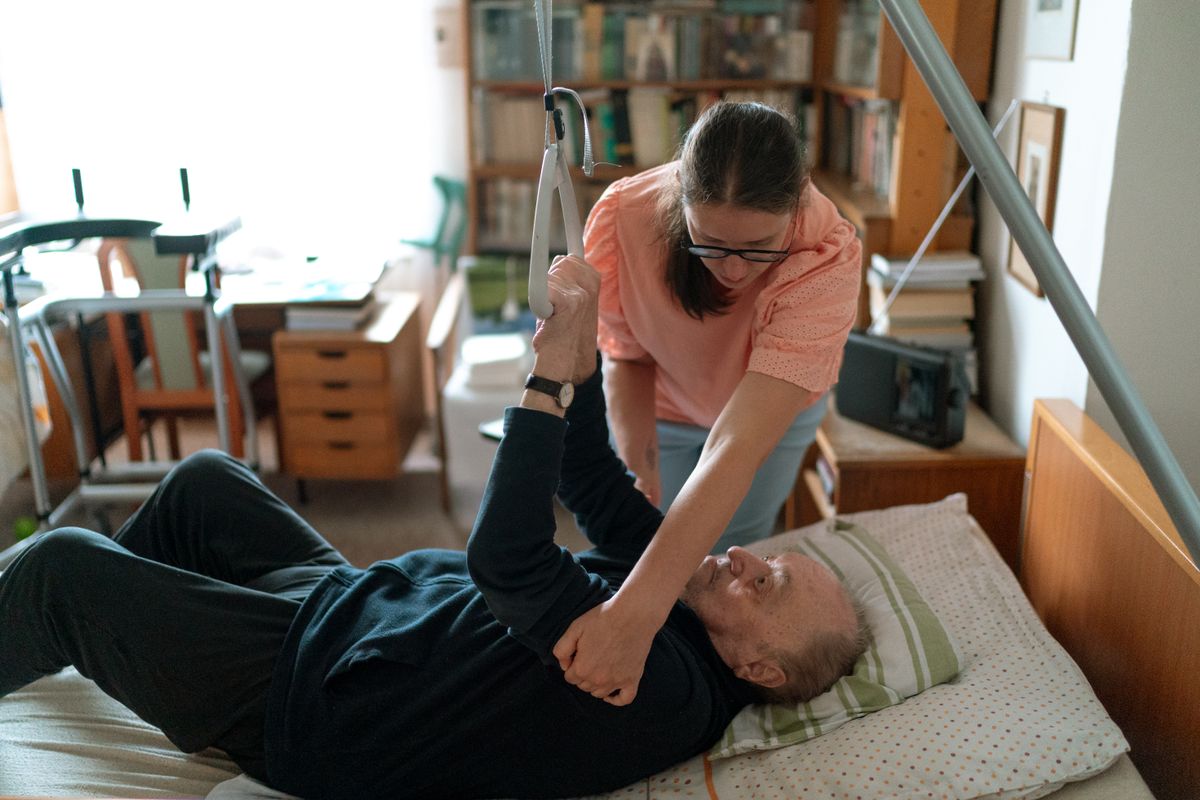
Employers looking for carers value personal qualities at least as much as formal qualifications. Patience, kindness, reliability, and respect for dignity are essential, because care work often involves intimate personal tasks and people who may be vulnerable, anxious, or frustrated by loss of independence. A good carer treats every person as an individual, listens to their preferences, and supports them to do as much as they can for themselves, rather than taking over unnecessarily. Calmness under pressure also matters, since routines can change quickly if someone becomes unwell or distressed.
Practical skills help too. You will need to be organised, able to follow care plans carefully, comfortable with basic record keeping, and able to communicate clearly with the people you support, their families, and your colleagues. Physical fitness is relevant, because the role can involve helping people to move, stand, or walk, though employers provide training in safe moving and handling. You do not need to be perfect from day one. Reputable employers provide induction training, shadowing with experienced colleagues, and ongoing learning, and they expect new starters to ask questions rather than guess.
Many carers come to the role from other walks of life. Parents returning to work, people who have cared for a family member, former retail or hospitality workers, and career changers of all ages often make excellent carers, because they bring life experience, empathy, and practical common sense. Formal care qualifications are helpful and can support progression, but many entry-level carer jobs near me do not require previous care experience. What employers want to see is the right attitude, a willingness to learn, and a genuine interest in supporting other people well.
Types of Carer Jobs Near You
Local care work comes in many forms, and choosing the right type matters as much as choosing the right employer. Home care roles usually involve travelling between visits in a local area, often with a rota that includes mornings, evenings, and weekends. They suit people who enjoy variety, working independently, and building relationships with several clients. Residential care roles are based in one care home, with shifts that may include early, late, and night work, and they suit people who prefer teamwork, a fixed workplace, and a structured day.
Hours and patterns vary widely. Full-time roles offer regular hours and a stable rota, while part-time roles can fit around childcare, study, or other commitments. Bank or casual work lets you pick up shifts as needed, which suits some people well, though it offers less predictability. Some employers offer waking nights or sleep-in shifts in residential settings, and some home care providers offer weekend-only or evening-only rotas. When you search, be honest about the hours you can genuinely work, including travel time between visits, and check whether a driving licence and access to a vehicle are required, as many home care roles depend on them while residential roles usually do not.
Pay varies by role, employer and region, and more senior or specialist care roles generally carry greater responsibility than entry-level posts. Night, weekend, and bank holiday working may be recognised differently depending on the employer, so it is worth asking how rotas, travel time between home visits, and training time are handled before you accept a role. Do not judge an employer on a single headline claim. Look at the whole picture: hours, travel, training, support from managers, and how staff are treated day to day.
Where to Find Carer Jobs Near You
Start your search close to home, because care work is inherently local. Large job boards let you filter by location, distance, and job type, so try searching for care assistant, support worker, domiciliary carer, and home carer roles within a few miles of your postcode. Set up email alerts so new local vacancies reach you quickly, and check listings regularly, since local care roles are often filled fast. Use several search terms, because employers describe similar roles in different ways, and a role titled support worker may be very similar to one titled care assistant.
Do not rely on job boards alone. Many care providers advertise directly on their own websites, and some of the best local roles never reach the big boards. Look up care homes, home care agencies, and supported living providers in your area, and check their careers pages. Council vacancy pages and local health and social care employers also advertise care roles, as do recruitment agencies that specialise in health and social care. Registering with a specialist agency can be useful, particularly for bank or temporary work, and agencies often know about roles before they are advertised publicly.
Local knowledge helps too. Tell friends, family, and former colleagues that you are looking for care work, check community noticeboards and local social media groups, and consider a short speculative application to a provider you respect, even if they have no vacancy advertised. A polite message explaining why you want to work in care, the hours you can offer, and the area you can cover can lead to a conversation, a trial shift, or a place on a waiting list. Reputation matters in care, so providers often welcome approaches from local people who are genuinely motivated.

What Employers Check Before They Hire a Carer
Care employers carry out thorough checks, and understanding them in advance will help you prepare and avoid delays. Most care roles in the UK require an enhanced criminal record check, because carers work with vulnerable adults and sometimes children. Employers will also take up references, usually from previous employers or from people who know you in a professional capacity, and they will check your right to work in the UK. Be honest about your history. A past issue does not automatically rule you out, but hiding it or giving inconsistent information will damage trust and may end an application.
Employers also look carefully at attitude and reliability during the recruitment process. Interviews for carer jobs near me often include scenario questions, such as how you would respond if a client refused personal care, became distressed, or told you something worrying in confidence. There are rarely perfect answers. Interviewers want to hear that you would stay calm, respect dignity, follow the care plan, keep accurate records, and raise concerns through the right channels. Some employers include a practical element, a values-based exercise, or a trial shift, so you can see the work and they can see how you interact with people.
Training and health requirements are part of the picture too. Employers will ask about any health conditions that affect the work, provide training in areas such as safeguarding, moving and handling, medication support, first aid, and infection control, and expect you to complete that training and refresh it as required. If you drive for a home care role, they will check your licence and insurance arrangements. None of this should put you off. It exists to protect the people receiving care, and a good employer will explain each step clearly and support you through it.
Applying for Carer Jobs Near You
A strong application for a care role is clear, honest, and personal. Your CV does not need to be long, but it should show who you are, what experience you have, and why care work appeals to you. Include any experience of caring, whether paid or unpaid, such as supporting a family member, volunteering, or working in a people-facing role. Mention practical skills such as cooking, record keeping, or driving where relevant, and explain the hours and areas you can cover. If you are new to care, say so plainly and explain your motivation. Employers in care often value honesty and enthusiasm more than a polished but generic application.
A short cover letter or personal statement can make a real difference, especially for local roles. Explain why you want to work for that particular provider, what you can bring to the people they support, and any local connection, such as living nearby or knowing the area well. Use the job advert as a checklist. If it asks for reliability, give an example of dependable attendance or commitment. If it asks for good communication, describe a time you supported someone through a difficult moment. The organisational habits that matter in office work are relevant here too, as shown in our guide to admin jobs near me, where accuracy, clear records, and calm communication are prized in much the same way.
Before an interview, think through your examples, dress smartly but practically, and prepare questions about training, rotas, travel between visits, support from managers, and how new starters are mentored. Arrive in good time, be polite to everyone you meet, and remember that care interviews assess how you treat people, not just what you say. After the interview, a short thank-you message is a thoughtful touch. If you are offered a role, check the details carefully before accepting: hours, rota pattern, training, travel expectations, and start date, so there are no surprises in your first week.

Starting Out, Progressing and Looking After Yourself
Your first weeks as a carer will involve induction, training, and shadowing experienced colleagues. Use this time well. Ask questions, learn each care plan carefully, get to know the people you support and their routines, and build good habits around record keeping and reporting concerns. Do not be afraid to say when you are unsure. Experienced carers and managers would far rather answer a question than deal with a mistake that could have been avoided, and asking for help is a sign of professionalism in care, not weakness.
Progression in care is real and varied. Many carers move into senior carer or team leader roles, take on specialist work such as dementia care or end-of-life care, or train as care coordinators, managers, or assessors. Others use care experience as a route into nursing, social work, occupational therapy, or other health and social care professions. Further qualifications in health and social care can support these moves, and many employers fund or support study for staff who want to develop. Talk to your manager about your interests early, so training and shadowing opportunities can be planned around them.
Looking after yourself matters in care work, because the role can be emotionally and physically demanding. Pace yourself, take your breaks, use the moving and handling techniques you are taught, and talk to colleagues or managers when a situation affects you. Good employers provide supervision, debriefs after difficult events, and access to wellbeing support. Care work is different from office-based work in this respect: most carer roles must be done in person, with the people you support, rather than from home. If you are weighing up different kinds of work, our guide to work from home can help you compare the routines, boundaries, and expectations of remote work with the hands-on, local nature of care.
Frequently Asked Questions
Do I need experience to get a carer job near me?
Not always. Many entry-level carer roles welcome applicants without previous care experience, provided they show the right qualities, such as patience, reliability, and a genuine interest in helping people. Experience of caring for a family member, volunteering, or working in a people-facing role all count, and reputable employers provide induction training and shadowing for new starters.
Do I need a driving licence for carer jobs?
It depends on the role. Many home care jobs require a driving licence and access to a vehicle, because carers travel between clients’ homes. Residential care home roles, on the other hand, are based in one place and usually do not require driving. Always check the advert, and ask the employer if you are unsure, rather than assuming.
What checks will a care employer carry out?
Expect an enhanced criminal record check, reference checks, and a check of your right to work in the UK. Employers may also ask about your health in relation to the role, check driving details for home care work, and provide training in safeguarding, moving and handling, and other essential topics before you start work unsupervised.
Can I work part-time as a carer?
Yes, part-time care work is common, with evening, weekend, and bank or casual patterns widely available alongside full-time roles. Be clear about the hours you can genuinely offer, including travel time, and check how rotas are set, so the pattern you accept fits your life in practice and not just on paper.
Is care work a good long-term career?
For many people, yes. Care offers steady local demand, varied work, and clear routes into senior, specialist, and management roles, as well as pathways into nursing, social work, and other health and social care professions. It suits people who find purpose in helping others and who value practical, people-centred work close to home.
Conclusion
Finding carer jobs near me is about combining a smart local search with a strong, honest application. Understand what the work involves, choose the type of role and hours that fit your life, search job boards and local providers regularly, and prepare examples that show your patience, reliability, and care for others. With good training, supportive colleagues, and a genuine commitment to the people you support, a local care role can offer rewarding work, real progression, and the satisfaction of making a difference close to home every single day.







Post Comment