Admin Jobs Near Me: How to Find Local Admin Roles and Get Hired

Searching for admin jobs near me can feel like looking for a needle in a haystack, especially when you want something local, reliable and close to home. The good news is that admin roles are everywhere: in offices, schools, hospitals, councils, small businesses and large companies. From reception desks to busy back offices, administrative staff keep organisations running smoothly every day.
Whether you are starting out, returning to work after a break, or looking for a change, there is likely an admin job near you that fits your skills and schedule. This guide explains what admin jobs involve, the skills employers want, where to find local vacancies, and how to write a CV and prepare for interviews that help you get hired.
What Does an Admin Job Actually Involve?
Admin jobs cover a wide range of everyday office tasks. Typical duties include answering phones and emails, greeting visitors, booking appointments, managing diaries, filing documents, entering data, preparing letters and reports, and ordering supplies. Some roles focus on reception and customer service, while others support a whole team or department behind the scenes.
The exact work depends on the employer. In a GP surgery, an admin assistant might book appointments and handle patient records. In a school office, the role might involve admissions, attendance and parent enquiries. In a busy company head office, admin staff may support managers, organise meetings and keep projects on track. What links them all is organisation, accuracy and good communication.

Skills Employers Want in Admin Staff
Employers hiring for admin jobs near me usually look for a practical mix of skills rather than formal qualifications alone. Strong organisation is essential, as is attention to detail: a small error in a booking, invoice or record can cause real problems. Good written and spoken communication matters too, because admin staff are often the first point of contact for customers, patients, parents or clients.
Basic computer skills are expected in most roles, including email, word processing and spreadsheets. Familiarity with diary systems, databases and customer record systems is a bonus, and employers will often train you on their own software. Other valued qualities include reliability, discretion with confidential information, time management, and the ability to stay calm when several tasks arrive at once.
You do not always need previous office experience to get started. Many employers welcome school leavers, graduates, career changers and people returning to work, especially if you can show examples of organisation, customer service or teamwork from other jobs, volunteering or study.
Where to Find Admin Jobs Near You
Start your search close to home. Large job boards let you filter by location, distance and job type, so try searching for admin assistant, office administrator, receptionist and data entry roles within a few miles of your postcode. Set up email alerts so new local vacancies reach you quickly, and check listings daily: the best local roles are often filled fast.
Do not overlook local employers directly. Council websites, NHS jobs pages, school and college vacancy pages, and local business websites often advertise admin roles that never reach the big job boards. Recruitment agencies specialising in office support can also be very helpful, as they often know about temporary and permanent roles before they are advertised publicly.
Networking can open doors too. Tell friends, family and former colleagues that you are looking, check community noticeboards and local social media groups, and consider registering with more than one agency. A short, polite speculative email to a local employer, with your CV attached, can sometimes lead to an interview even when no vacancy is advertised.

Full-Time, Part-Time and Flexible Admin Work
One of the attractions of admin work is flexibility. Many roles are full-time, Monday to Friday, with regular hours, which suits people who like routine. Others are part-time, term-time only, or job-share, which can work well around childcare, study or other commitments. Temporary and fixed-term admin jobs are also common, often covering holidays, busy periods or special projects, and they can lead to permanent roles.
Some admin roles are now hybrid or fully remote, combining office days with work from home. These roles still need strong organisation and communication, plus the ability to manage your own time without direct supervision. When you apply, check whether the role is office-based, hybrid or remote, and whether the hours are fixed or flexible, so you only apply for jobs that genuinely fit your life.
Writing a CV and Cover Letter That Gets Interviews
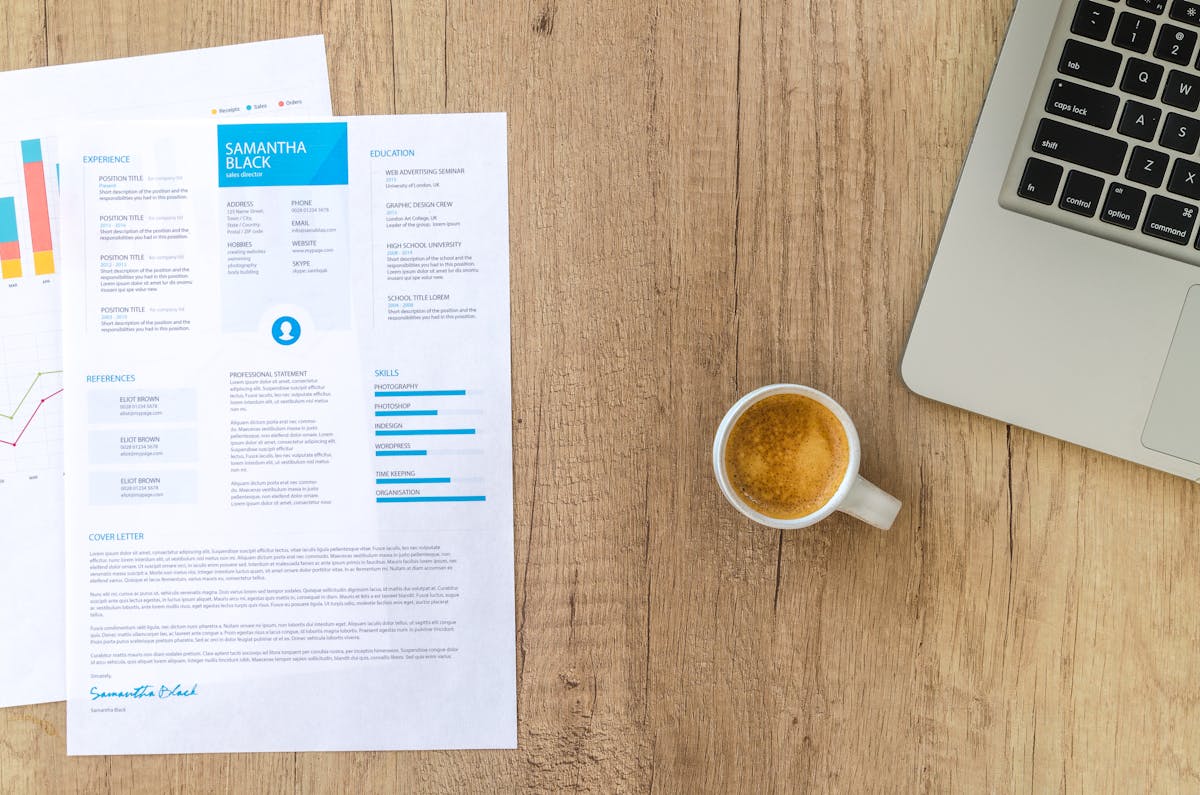
Your CV is your first impression, so keep it clear, honest and tailored to each role. Start with a short personal profile that sums up your strengths, then list your work experience in reverse order, highlighting admin-related duties such as handling enquiries, managing diaries, using office software, or improving a filing system. Include any relevant qualifications, training or IT skills, and keep the whole document to two pages if you can.
A short cover letter can make a real difference for local roles. Mention why you want to work for that employer, what you can bring to the team, and any local connection, such as living nearby or knowing the organisation. Use the job advert as a checklist: if it asks for diary management, data entry or customer service experience, give a brief example of each from your own experience.
Before you send anything, proofread carefully. Spelling mistakes and formatting errors stand out in admin applications, because accuracy is part of the job. Ask someone else to check your CV too, and save it as a PDF so it looks the same on every device.
Preparing for an Admin Job Interview
Admin interviews often include practical questions about how you organise your work, handle busy periods, and deal with difficult callers or visitors. Prepare short examples using the STAR method: describe the Situation, the Task, the Action you took, and the Result. For example, explain how you reorganised a filing system, handled a double-booked diary, or stayed calm when a queue formed at reception.
You may also be asked to complete a short test, such as typing, data entry, proofreading or prioritising a list of tasks. Practise basic typing and spreadsheet skills beforehand, and arrive early with a copy of your CV, a notebook and a pen. Dress smartly, be polite to everyone you meet, and prepare one or two questions about the team, training or working hours.
Business Systems Admin Staff Use Every Day
Modern admin work relies on digital systems as much as paper files. You may use email and calendars every day, along with word processing, spreadsheets, databases and customer relationship systems. Many offices also use booking systems, finance software, HR portals and cloud storage, and some roles involve updating websites or social media pages.
You do not need to know every system before you start: employers expect to train new starters on their own tools. What helps is a willingness to learn, basic digital confidence, and an understanding of how technology supports business. Our guide to tech and business insights for the digital world explains how modern tools shape everyday office work, and it is a useful background read if you want to sound informed at interview.
Pay, Progression and Avoiding Scams
Admin pay varies by location, employer, experience and responsibilities, and senior or specialist roles generally pay more than entry-level posts. Many admin staff progress into senior administrator, office manager, executive assistant or team leader roles, or specialise in areas such as HR, finance or medical administration. Extra training, such as courses in bookkeeping, medical terminology or project support, can help you move up.
Be careful when searching online, because fake job adverts do exist. Be suspicious of roles that ask you to pay for training, equipment or background checks before you start, or that offer unusually high pay for very little work. Legitimate employers will not ask for bank details or personal documents before interview, and they will usually have a verifiable website, address and contact details. If an advert looks too good to be true, check the employer independently before applying.
Frequently Asked Questions
Do I need experience to get an admin job?
Not always. Many entry-level admin jobs accept applicants without direct office experience, especially if you can show transferable skills such as organisation, communication, customer service or IT skills from other work, volunteering or study.
What is the difference between an admin assistant and a receptionist?
A receptionist usually focuses on greeting visitors and handling calls at the front desk, while an admin assistant may support a team or department with a wider mix of tasks, including filing, data entry, diary management and preparing documents. In smaller organisations, one role often covers both.
Can admin jobs be done from home?
Some can, especially roles focused on data entry, diary management, email and phone support. Others need you to be on site to greet visitors, handle post or manage physical files. Check each advert for whether the role is office-based, hybrid or remote.
How long should my admin CV be?
Aim for one to two pages. Focus on relevant experience and skills, use clear headings, and tailor your CV to each role rather than sending the same version everywhere.
Conclusion
Finding admin jobs near me is about combining a smart local search with a strong application. Know what the role involves, build the skills employers want, search job boards and local employers regularly, and tailor your CV and cover letter to each vacancy. With preparation and persistence, a local admin role that fits your skills, hours and lifestyle is well within reach.






Post Comment