Work From Home: A Complete UK Guide to Remote Jobs, Setups and Success

Work from home has moved from a rare perk to a normal way of working for millions of people across the UK. For some it means a full-time remote role, for others a hybrid week split between home and the office, and for many more it means freelance, part-time or flexible work fitted around family life. Whatever shape it takes, working from home successfully is a skill in itself, and it rewards planning far more than it rewards simply owning a laptop.
This guide explains what work from home really involves, which roles suit it best, how to set up a workspace that protects your focus and your health, how to find legitimate remote jobs without falling for scams, and how to stay productive, visible and promotable when nobody sees you at a desk every day.
What Does Work From Home Actually Mean?
Working from home means doing your job from your own home rather than from an employer’s premises, using the internet, phone and collaboration tools to stay connected with colleagues and customers. It is not one single arrangement. Fully remote roles are done entirely from home, hybrid roles mix home and office days, and flexible roles may let you choose your hours or location within agreed limits.
It is also worth distinguishing employment from self-employment. A remote employee works for one employer, usually with set hours, paid leave and equipment provided. A freelancer or contractor working from home runs their own business, finds their own clients, and manages their own tax and workload. Both can be rewarding, but they carry very different responsibilities, and it is important to know which one you are applying for before you accept a role.
Which Jobs Can You Do From Home?
Remote work suits any job where the main output is produced on a computer or a phone and does not require you to be physically present. Common examples include customer service, administration, bookkeeping, marketing, content writing, design, software support, data entry, tutoring, translation, recruitment and virtual assistance. Many professional roles in finance, human resources, project management and sales are also routinely done remotely.
Some jobs only partly suit remote working. A teacher can mark and plan from home but still teaches in a classroom. A nurse can handle telephone triage remotely but not ward care. When you see a role advertised as remote, read the description carefully: check whether it is fully remote or hybrid, whether occasional travel is required, and whether you must live in a particular region, for example for tax, data protection or time-zone reasons.
The Benefits of Working From Home
The most obvious benefit is time. Removing a daily commute can return hours each week, which many people reinvest in rest, family, exercise or learning. Remote work also widens your options: you can apply for roles with employers based anywhere in the country rather than only those within travelling distance of your home.
For employers, remote working can mean access to a larger talent pool, lower office costs and often a happier, more loyal workforce. For workers, it can mean a quieter environment, more control over the working day, and the chance to design a routine that fits personal responsibilities such as school runs or caring duties. None of this happens automatically, however. Without boundaries, the same flexibility can blur into overwork, isolation and a sense that you are always on duty.
The Challenges Nobody Warns You About
The hardest part of working from home is rarely the work itself. It is the loss of the structure an office provides: the commute that separates work from home life, colleagues to ask a quick question, and a manager who notices when you are struggling. At home, distractions multiply, from household chores and deliveries to family members who assume that being at home means being available.
Isolation is another real risk, particularly in fully remote roles. Video calls are not a complete substitute for informal conversation, and it is easy to feel out of the loop about decisions, opportunities or even office news. Loneliness, reduced movement and screen fatigue can build up quietly. The best remote workers treat these as problems to manage deliberately, not as personal failings to ignore.
Setting Up a Home Workspace That Actually Works
You do not need a dedicated office to work well from home, but you do need a consistent place to work. A spare room is ideal, but a desk in a quiet corner works too, provided you can leave it set up and step away from it at the end of the day. Avoid working from a bed or sofa as a habit: it harms your posture and makes it harder for your brain to switch off at night.
Start with the basics. A comfortable chair that supports your back, a screen at eye level, and good lighting make a bigger difference than expensive gadgets. A reliable broadband connection is essential, and a headset with a microphone will improve every call you join. If your employer provides equipment, use it: company laptops usually come with the security software and access your role requires.
Agree boundaries with the people you live with. A simple signal, such as a closed door or headphones on, can mean you should not be interrupted except for something urgent. Keep your workspace tidy at the end of each day, charge your devices, and write tomorrow’s top three tasks before you log off. Small rituals like these recreate the separation a commute used to provide.

How to Find Legitimate Work From Home Jobs
Start with established job boards and the careers pages of employers you already know, filtering for remote or hybrid roles. Recruitment agencies that specialise in your field can also be valuable, particularly for temporary or contract remote work. Professional networks and industry communities often advertise roles before they reach the big boards, so keeping an up-to-date professional profile is worthwhile.
Be alert to scams, because remote job adverts attract them. Warning signs include requests for upfront payments for training, equipment or background checks, vague job descriptions with unusually generous terms, interviews conducted only by messaging apps, and pressure to accept immediately. A genuine employer will have a verifiable website, a real company presence, and a normal recruitment process with interviews and references. If an offer feels too good to be true, pause and check the employer independently before sharing personal or banking details.
When you apply, tailor your application to remote working specifically. Employers want evidence that you can manage your own time, communicate clearly in writing, solve problems without constant supervision, and use common collaboration tools. Give concrete examples: a project you delivered while working independently, a time you resolved a customer issue by email or chat, or a system you set up to keep a team updated across locations.
Staying Productive and Visible When You Work Remotely
Productivity at home is mostly about routine. Start at a consistent time, plan the day’s priorities before opening your inbox, and work in focused blocks with short breaks away from the screen. The temptation to check messages constantly is strong, but batching email and chat into set times protects deep work. Movement matters too: a short walk at lunch, stretching between calls, and standing up regularly all help concentration more than another coffee.
Visibility is the remote worker’s version of being seen in the office. It does not mean performing busyness; it means making your work easy to find and understand. Share brief progress updates with your manager, document decisions in shared notes, and contribute in meetings rather than staying silent with your camera off. When you finish something, say so, and when you are blocked, ask early. Managers cannot support work they cannot see.
Communication needs more care remotely because tone is easily lost in text. Write clearly, state what you need and by when, and confirm understanding on important points. If a message thread is getting tense or complicated, a quick call usually resolves it faster than another round of emails. And remember that responsiveness is not the same as availability: agreeing core hours when you are reachable, and protecting focused time outside them, is a reasonable conversation to have with any good manager.
Technology and Business Tools Behind Remote Work
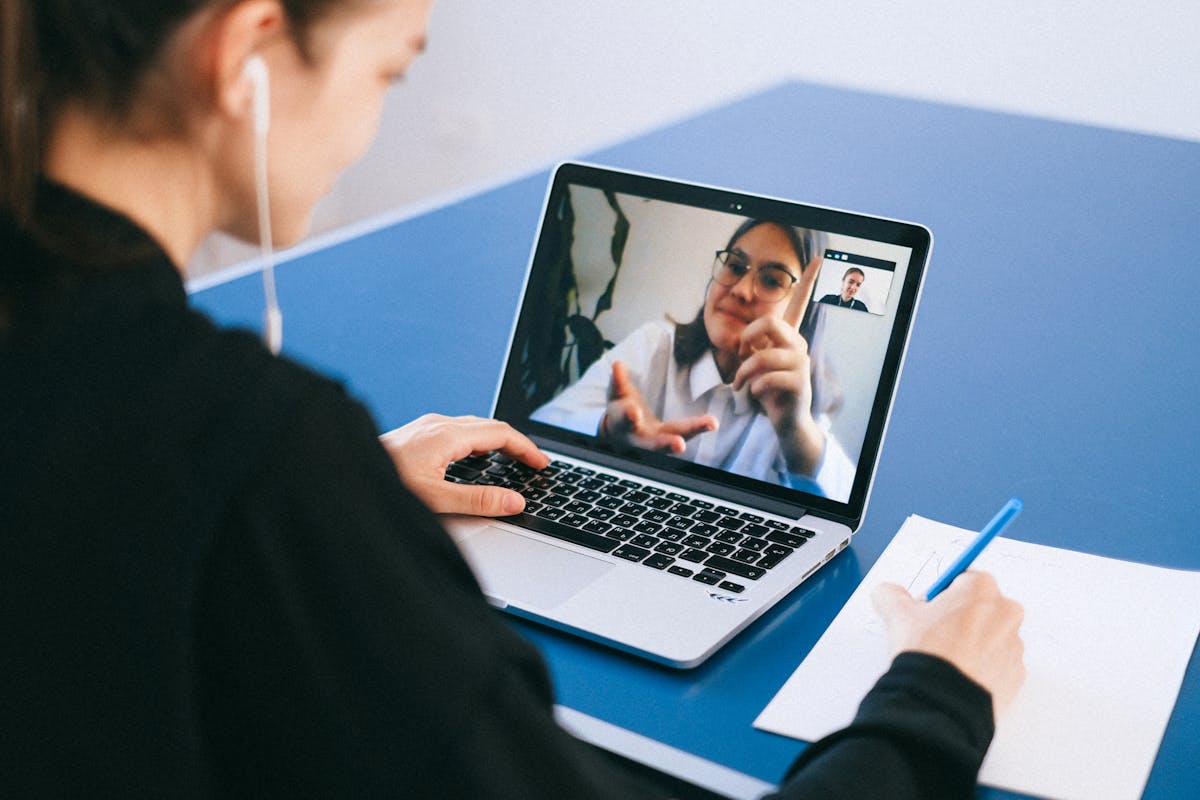
Modern remote work rests on a handful of everyday tools: video calling for meetings, messaging for quick questions, shared documents for collaboration, and project boards for tracking tasks. Cloud storage means files are accessible from anywhere, and customer systems let support and sales teams serve people without sitting in a call centre. Understanding how these tools fit together is part of modern business literacy, as explored in our guide to tech and business insights for the digital world.
Security matters more at home than in an office. Use strong, unique passwords, turn on two-factor authentication wherever it is offered, keep your devices updated, and be careful with public Wi-Fi. If you handle customer or company data, follow your employer’s rules about where files can be stored and which apps are approved. A single careless share can cause problems that no amount of productivity makes up for.
Your Rights, Costs and Practicalities
Before accepting a remote role, clarify the practical details. Ask who pays for equipment, broadband and phone costs, and whether there is an allowance or reimbursement policy. Check whether the role requires you to work from a specific location, how expenses are claimed, and what happens if your internet connection fails. If you are self-employed, you will need to understand your tax responsibilities, keep records of business expenses, and set aside money for tax bills, since nobody deducts it for you.
Discuss costs only in terms of the factors that drive them: the quality of your broadband, the equipment you need, heating and electricity use during working hours, and any software subscriptions your work requires. These vary widely by household and role, so compare your own situation rather than relying on generic estimates. Similarly, think about insurance and data protection if clients visit your home or you store business equipment there.
Health and safety still apply at home. Your employer may ask you to complete a workstation assessment, and it is worth doing honestly: screen height, chair support, lighting and regular breaks all affect long-term comfort. If you develop aches, eye strain or stress, raise it early with your manager or occupational health support rather than working through it silently.
Frequently Asked Questions
Is work from home available for beginners with no experience?
Yes, but competition is high. Entry-level remote roles often include customer service, data entry, administration and sales support. Strong written communication, reliability and basic computer skills matter more than an impressive CV, and a short course or volunteer experience can help you stand out.
Do I need fast broadband to work from home?
You need a connection stable enough for video calls and the systems your role uses. If your connection struggles, ask the employer what their minimum requirements are, and test video calling from your workspace before your first day.
How do I avoid feeling isolated when working remotely?
Build social contact into your week: regular team check-ins, a coworking day, a lunchtime walk with a friend, or a local group related to your work. Isolation is easier to prevent than to fix once it has set in.
Can I work from home and look after children at the same time?
Most employers expect childcare to be arranged separately during working hours, just as it would be for an office job. Flexible hours can help around school runs, but trying to do both jobs at once usually leads to stress and missed deadlines.
Conclusion
Work from home works best when it is treated as a professional arrangement, not as a perk to be enjoyed passively. Choose roles that genuinely suit remote delivery, set up a workspace that supports your health and focus, apply only through verifiable employers, and make your work visible through clear communication and reliable delivery. Done well, remote working offers freedom, wider opportunity and a better balance between work and the rest of life, and those are benefits worth building good habits to protect.






Post Comment